SITE FEATURES
SPONSORS

FRIENDS






LATEST NEWS
Hawaii State Legislature Looks to Ban “Pay-To-Win”
According to Rolling Stone, two members of the Hawaii State legislature are taking a stand against video games which they feel are predatory in nature. Said Hawaiian state representative Chris Lee during a press conference:
Lee also mentioned that he is aware that other states are looking into the situation similarly.
Sean Quinlan, Lee's fellow state representative, correlated what he sees as predatory behavior by gaming companies to another well known example of such corporate practices:
As Rolling Stone points out, Disney can't be happy with that analogy.
It was reported earlier this week that Belgium was going to take a look at games that feature systems like loot crate progression microtransactions. According to PCGamer, the Belgian Gaming Commission on Tuesday declared that games with randomized pay-to-win microtransactions, such as Battlefront II, do constitute gambling. Belgium's Minister of Justice Koen Geens added,
EA, of course, famously suspended the pay system just before the official launch of Battlefront II, although the company's official statement said it would be a temporary halt.
In another interesting twist to the whole saga, it was recently reported by PCGamer that Activision Blizzard had successfully filed a patent
While Activision has stated that the patent is two years old, and has not been implemented in any games, it clearly shows an effort by a big company to double down on microtransactions by increasing the allure of buying stuff in game.
This whole story continues to gain momentum, and is showing signs of turning into something that we might look back on as a pivotal event in video game history.
See part of the Hawaii legislators' conference below...
*Yes, he did actually say, "It's a trap," although he definitely lost a golden opportunity to go viral because he didn't do an Ackbar impression.
comments powered by Disqus
We are here today to ensure future protection to kids, youth and everyone when it comes to the spread of predatory practices in online ingredients and the significant financial consequences it can have on families and has been having on families of this nation. This game is a Star Wars themed online casino designed to lure kids into spending money. It's a trap.*
Lee also mentioned that he is aware that other states are looking into the situation similarly.
Sean Quinlan, Lee's fellow state representative, correlated what he sees as predatory behavior by gaming companies to another well known example of such corporate practices:
We didn't allow Joe Camel to encourage our kids to smoke and we shouldn't allow Star Wars to encourage kids to gamble.
As Rolling Stone points out, Disney can't be happy with that analogy.
It was reported earlier this week that Belgium was going to take a look at games that feature systems like loot crate progression microtransactions. According to PCGamer, the Belgian Gaming Commission on Tuesday declared that games with randomized pay-to-win microtransactions, such as Battlefront II, do constitute gambling. Belgium's Minister of Justice Koen Geens added,
Mixing gambling and gaming, especially at a young age, is dangerous for the mental health of the child.
EA, of course, famously suspended the pay system just before the official launch of Battlefront II, although the company's official statement said it would be a temporary halt.
In another interesting twist to the whole saga, it was recently reported by PCGamer that Activision Blizzard had successfully filed a patent
designed for use in multiplayer matchmaking systems. In short, it's an idea to engender envy at teammates' or opponents' gear through the matchmaking algorithm itself.
While Activision has stated that the patent is two years old, and has not been implemented in any games, it clearly shows an effort by a big company to double down on microtransactions by increasing the allure of buying stuff in game.
This whole story continues to gain momentum, and is showing signs of turning into something that we might look back on as a pivotal event in video game history.
See part of the Hawaii legislators' conference below...
*Yes, he did actually say, "It's a trap," although he definitely lost a golden opportunity to go viral because he didn't do an Ackbar impression.
comments powered by Disqus
LATEST PHOTO GALLERIES
VC394 - Imperial Snowtrooper Commander

VC - Obi-Wan Kenobi (Utapau) & Airborne Clone Trooper (212th Battalion)
VC392 - General Veers (AT-AT Commander)

VC - Imperial Remnant Stormtrooper

VC - Imperial Remnant AT-RT
VC386 - Marrok
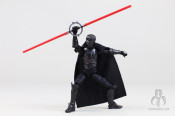
VC387 - Imperial Remnant AT-AT Driver

VC388 - IG-11 (Nevarro Marshal)
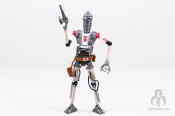
VC389 - Imperial Remnant Snowtrooper

VC393 - Greedo

ADDITIONAL REVIEWS IN THE
PHOTO GALLERIES
PHOTO GALLERIES