SITE FEATURES

SPONSORS

FRIENDS






LATEST NEWS
Did Disney Impact EA’s Decision to Suspend “Pay to Win”?
According to The Wall Street Journal:
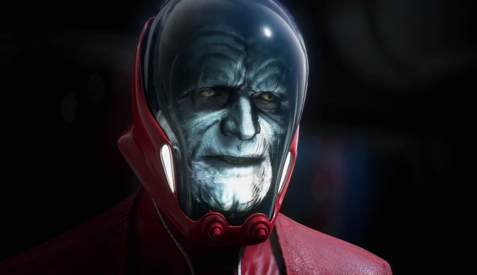
Presumably, the specific concern was about the accusation that the loot crate system was tantamount to gambling. The Belgian government was investigating in an attempt to determine if paying for randomized rewards in the game constituted a form of gambling. The sentiment was growing around the internet, and some analysts suspect that if Belgium rules that it is, in fact, gambling, it would reverberate around the world and provide a real problem for gaming companies going forward.
Disney certainly wasn't interested in having a game that was heavily marketed to kids and young people be associated with gambling. So the WSJ indicated that, Disney reached out to express their concerns directly to EA's CEO. There's no way to know at this point if that is what caused EA to change course. EA, for it's part, has been trying to calm investors by explaining that dropping the microtransaction plan was sacrificed in order to help make sure that unit sales would not suffer, which is much more important to the company's bottom line.
Many Wall Street analysts have not changed their longer term stances on the health of EA, seemingly indicating that this commotion would have a negligible impact on profits.
comments powered by Disqus
Even Chief Executive Robert Iger was alarmed. Ultimately, Disney’s head of consumer products and interactive media, Jimmy Pitaro, sent a message to Electronic Arts this week outlining Disney’s concerns.
Presumably, the specific concern was about the accusation that the loot crate system was tantamount to gambling. The Belgian government was investigating in an attempt to determine if paying for randomized rewards in the game constituted a form of gambling. The sentiment was growing around the internet, and some analysts suspect that if Belgium rules that it is, in fact, gambling, it would reverberate around the world and provide a real problem for gaming companies going forward.
Disney certainly wasn't interested in having a game that was heavily marketed to kids and young people be associated with gambling. So the WSJ indicated that, Disney reached out to express their concerns directly to EA's CEO. There's no way to know at this point if that is what caused EA to change course. EA, for it's part, has been trying to calm investors by explaining that dropping the microtransaction plan was sacrificed in order to help make sure that unit sales would not suffer, which is much more important to the company's bottom line.
Many Wall Street analysts have not changed their longer term stances on the health of EA, seemingly indicating that this commotion would have a negligible impact on profits.
comments powered by Disqus
LATEST PHOTO GALLERIES
VC394 - Imperial Snowtrooper Commander

VC - Obi-Wan Kenobi (Utapau) & Airborne Clone Trooper (212th Battalion)
VC392 - General Veers (AT-AT Commander)

VC - Imperial Remnant Stormtrooper
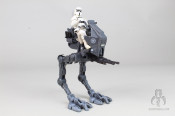
VC - Imperial Remnant AT-RT
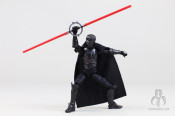
VC386 - Marrok
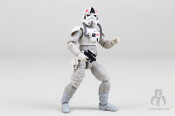
VC387 - Imperial Remnant AT-AT Driver
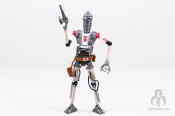
VC388 - IG-11 (Nevarro Marshal)
VC389 - Imperial Remnant Snowtrooper

VC393 - Greedo

ADDITIONAL REVIEWS IN THE
PHOTO GALLERIES
PHOTO GALLERIES